The Scottish Deerhound is a breed of ancient lineage and noble bearing, often described as the “Royal Dog of Scotland.” This majestic sighthound combines a rugged, wiry coat with a graceful, aerodynamic build, creating a striking silhouette of strength and speed. Bred for centuries to pursue and bring down the red deer, the Deerhound embodies a unique duality: formidable in the chase yet gentle, dignified, and deeply affectionate in the home. They are a living testament to a bygone era, requiring an owner who appreciates their quiet nobility and can accommodate their specific needs.
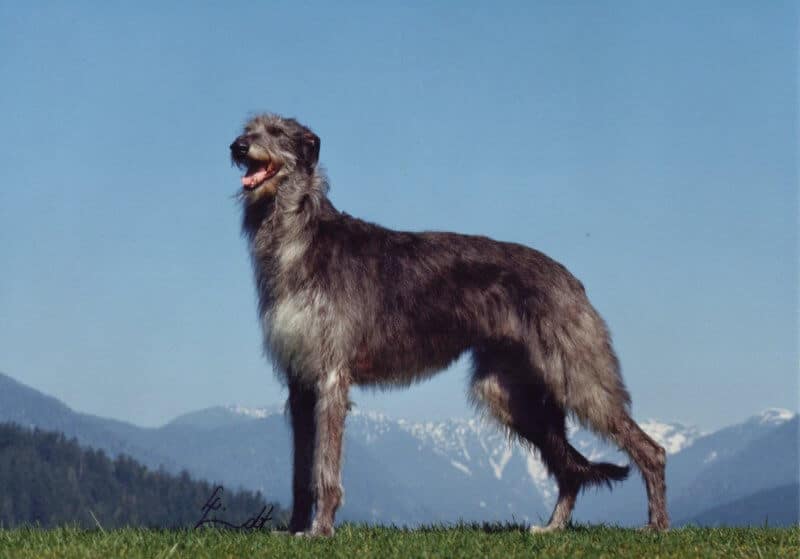
This comprehensive guide will explore everything a potential owner needs to know about the Scottish Deerhound. Therefore, by the end, you will be well-equipped to determine if this gentle yet majestic giant is the right match for your lifestyle.
Breed Overview
- Group: Hound
- Height: 28 inches and up (at the shoulder) for females; 30 inches and up for males
- Weight: 75 – 95 pounds (females); 85 – 110 pounds (males)
- Life Span: 8 – 11 years
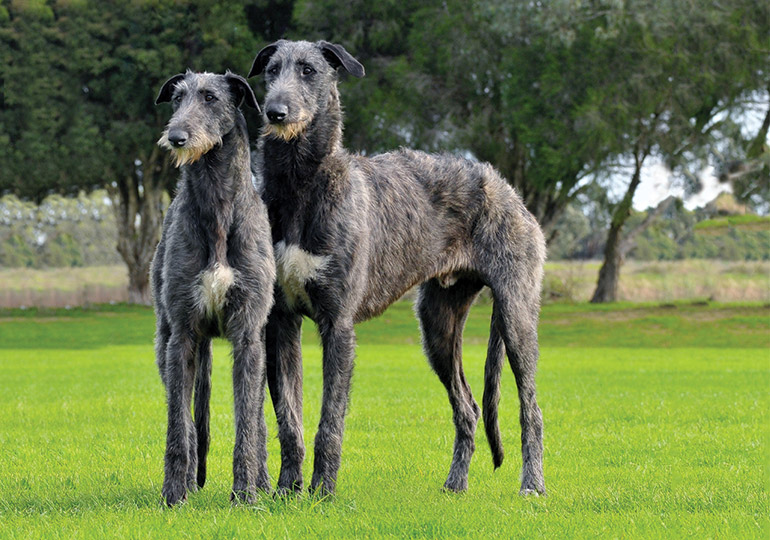
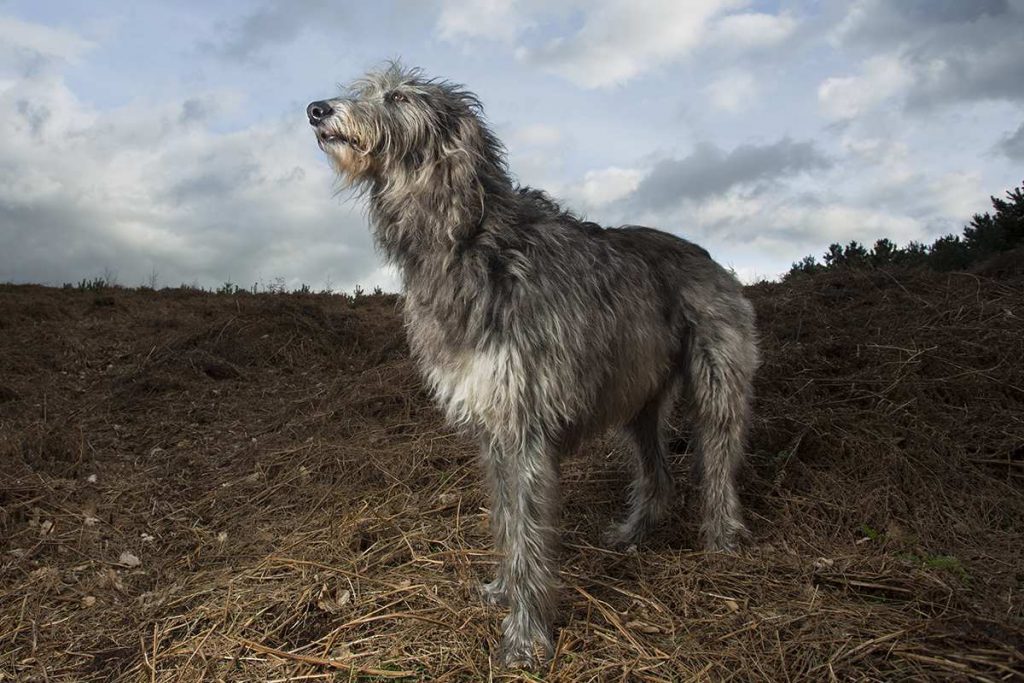
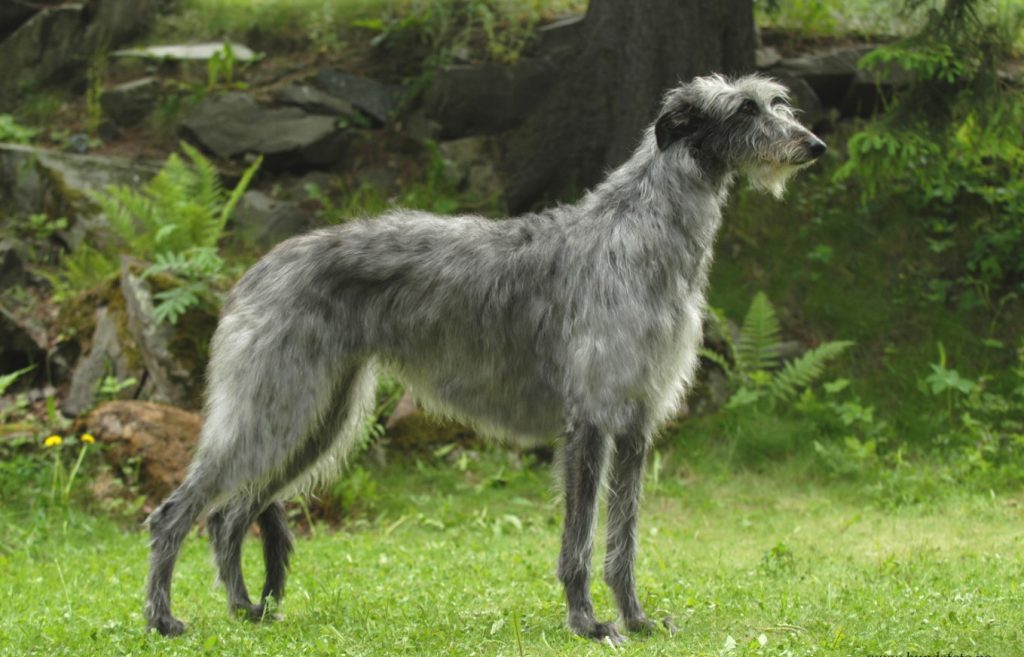
- Coat: A harsh, wiry, tousled coat about 3-4 inches long, which provides excellent protection from harsh weather. The coat is softer on the head, chest, and belly. Colors include various shades of gray, brindle, fawn, and blue, often with some white on the chest and toes.
A Brief History: The Courser of the Highlands
The Scottish Deerhound’s history is steeped in the lore of the Scottish Highlands. Their origins are ancient, likely descending from greyhound-type dogs present in Scotland before the time of the Romans. For centuries, they were the exclusive hunting hound of Scottish chieftains and nobility, prized for their ability to single-handedly bring down a stag. The breed was so valued that owning one was at times restricted by law to those above the rank of earl. The decline of the clan system and the advent of firearms nearly led to their extinction in the 18th century. Fortunately, dedicated breeders in the 19th century, most notably Archibald and Duncan McNeill, worked to revive the breed, preserving its magnificent form and gentle spirit.
The Scottish Deerhound Temperament: The Gentle Anachronism
The personality of the Deerhound is a study in contrasts: immense power paired with serene gentleness. They are known for their quiet dignity, deep sensitivity, and unwavering loyalty to their family.
- Gentle and Dignified: Inside the home, Deerhounds are the epitome of calm, quiet, and polite companionship. They are often described as “couch potatoes” who enjoy sprawling on soft furniture.
- Loyal and Affectionate: They form profound, tender bonds with their family members and are typically excellent with considerate children. Their affection is quiet and devoted.
- Reserved and Sensitive: They are generally aloof and polite with strangers, never overly demonstrative. They are highly sensitive to their owner’s mood and tone, and harsh words or treatment can be deeply distressing to them.
- Sighthound Instincts: They possess a strong prey drive. When their chase instinct is triggered, their recall vanishes, and they will pursue with single-minded focus. This makes a secure environment non-negotiable.
- Intelligent but Independent: They are intelligent but not biddable in the way of a herding breed. They learn quickly but may choose not to comply if they see no purpose in a command, requiring patient and respectful training.
Caring for Your Scottish Deerhound
Exercise: Bursts of Speed, Not Endurance
Despite their size, adult Deerhounds have moderate exercise needs. Their physiology is built for explosive sprints, not long-distance running.
- Daily Requirements: They require several short, leashed walks daily and, most importantly, the opportunity for a full-out sprint in a securely fenced area several times a week. A tired Deerhound is a content Deerhound.
- Mental Stimulation: Their mental needs are met primarily through companionship and the occasional safe sighting of moving objects. They are not typically interested in repetitive play like fetch.
- The Absolute Necessity of Secure Containment: A tall (at least 6-foot), robust fence is mandatory. Deerhounds are capable of astonishing leaps and can reach top speeds in seconds. They should never be trusted off-leash in an unsecured area.
Grooming: Less Than It Appears
Their shaggy coat is surprisingly low-maintenance but requires specific techniques to maintain its proper harsh texture.
- Stripping and Raking: The coat should not be clipped or shaved, as this ruins its weather-resistant texture. Instead, it requires regular “stripping” (plucking dead hair) and raking 2-3 times per week to prevent matting and remove debris.
- Bathing: Infrequent baths are best to preserve the coat’s natural oils.
- Other Needs: Regular ear cleaning, nail trimming (their quick is often long), and dental care are essential. Their deep chest also requires that food and water bowls be elevated to a comfortable height.
Training: Patience, Respect, and Motivation
Training a Deerhound requires a soft touch, endless patience, and high-value motivation.
- Start Early: Socialization and basic manners training should begin in puppyhood. Exposing them to various people, sounds, and experiences helps build a confident adult.
- Use Positive Reinforcement: They respond only to positive, reward-based methods. Use exceptional treats, praise, and play to motivate them. Training sessions must be short, fun, and never repetitive.
- Prioritize Key Commands: Focus on a reliable recall within a fenced area and a solid “leave it” command to manage their prey drive. Perfection in formal obedience is neither expected nor typical for the breed.
Health: What to Be Aware Of
Scottish Deerhounds are generally hearty but, like many giant breeds, have a shorter lifespan and are prone to specific conditions.
- Cardiac Disease: Dilated cardiomyopathy (DCM) is a leading cause of death in the breed. Regular cardiac screening is recommended.
- Bloat (GDV): This is a life-threatening emergency. Preventative measures, including feeding smaller meals and avoiding exercise around mealtimes, are critical.
- Bone Cancer (Osteosarcoma): Sadly, this is prevalent in large and giant breeds, including Deerhounds.
- Liver Shunt: A congenital condition where blood bypasses the liver.
- Hypothyroidism: A relatively common hormonal disorder.
Is a Scottish Deerhound Right For You?
A Scottish Deerhound might be your perfect match if you:
- Appreciate a calm, gentle, and undemanding indoor companion.
- Have a very large, securely fenced property (or reliable access to one).
- Are a patient, quiet-natured owner who prefers positive reinforcement.
- Want a deeply loyal and dignified family dog.
- Understand and accept the heartbreak of a shorter lifespan.
You should reconsider if you:
- Lack a tall, secure fence or live in an apartment.
- Want a highly obedient, off-leash hiking partner.
- Are looking for a high-energy, playful, or watchdog breed.
- Have a low tolerance for hair on furniture and giant dogs on couches.
- Are unprepared for the potential costs of treating conditions common to giant breeds.
Finding Your Scottish Deerhound
- Reputable Breeders: It is essential to choose a breeder dedicated to health and temperament. They should perform health screenings on their breeding stock, including cardiac exams, thyroid tests, and liver function tests, and be deeply knowledgeable about the breed’s quirks and needs.
- Rescue and Shelters: Breed-specific rescues for Deerhounds and other sighthounds exist. Adopting an adult can be rewarding, offering a known personality.
- Understanding the Cost: The initial purchase price from a reputable breeder typically ranges from $2,000 to $3,000+. Prospective owners must also budget for significant ongoing costs, including large amounts of high-quality food, routine veterinary care, and potential specialty care.
In conclusion, welcoming a Scottish Deerhound is an invitation to share your life with a piece of living history—a noble, gentle, and breathtakingly graceful soul. In return for your provision of security, respectful companionship, and tender care, you will be rewarded with the quiet, unwavering devotion of a true canine aristocrat.